


C-P2W12-2311 Certification Cost - Dumps C-P2W12-2311 Discount, C-P2W12-2311 Exam Dumps Pdf - Insideopenoffice
C-P2W12-2311 26) for a descending sequence (This is the default option.)
CYCLE | NOCYCLE Specifies whether the sequence continues to generate values after reaching its maximum or minimum value
(NOCYCLE is the default option.)
CACHE n | NOCACHE Specifies how many values the Oracle server preallocates and keeps in memory (By default, the Oracle server caches 20 values.)
NEW QUESTION: 4
View the Exhibit and examine the description of EMPLOYEES and DEPARTMENTS tables.
You want to display the EMPLOYEE_ID, LAST_NAME, and SALARY for the employees who get
the maximum salary in their respective departments. The following SQL statement was written:
WITH
SELECT employee_id, last_name, salary
FROM employees
WHERE (department_id, salary) = ANY (SELECT*
FROM dept_max)
dept_max as (SELECT d.department_id, max(salary)
FROM departments d JOIN employees j
ON (d. department_id = j. department_id)
GROUP BY d. department_id);
Which statement is true regarding the execution and the output of this statement?
A. The statement would not execute because the comma is missing between the main query block and the query name.
B. The statement would execute and give the desired results.
C. The statement would not execute because the main query block uses the query name before it is even created.
D. The statement would not execute because the = ANY comparison operator is used instead of=.
Answer: C
- MB-500 Free Pdf Guide
- H12-831_V1.0 New Dumps
- Operations-Management Free Vce Dumps
- Best 1z0-1104-25 Practice
- FCP_FCT_AD-7.4 Valid Test Tutorial
- New D-UN-OE-23 Exam Online
- Positive L4M6 Feedback
- ISO-9001-Lead-Auditor Study Guide Pdf
- JN0-252 Reliable Exam Book
- PEGACPRSA22V1 Current Exam Content
- Flexible D-CIS-FN-01 Learning Mode
- CPGP Boot Camp
- 300-120 Latest Exam Experience
- Change-Management-Foundation Reliable Test Materials
- SecOps-Pro Valid Braindumps Sheet
- Latest AZ-700 Study Guide
- MB-920 Reliable Mock Test
- C_P2W22_2504 New Exam Bootcamp
- Prep DVA-C02 Guide
- 300-415 Pdf Version
- H12-821_V1.0-ENU Exam Dumps.zip
- New MuleSoft-Integration-Architect-I Test Book
| Questions and Answers | : 347 |
| File Format | |
| Windows Compatibility | : Windows 10/8/7/Vista/2000/XP/98 |
| Mac Compatibility | : All Versions including iOS 4/5/6/7 |
| Android | : All Android Versions |
| Linux | : All Linux Versions |
CYCLE | NOCYCLE Specifies whether the sequence continues to generate values after reaching its maximum or minimum value
(NOCYCLE is the default option.)
CACHE n | NOCACHE Specifies how many values the Oracle server preallocates and keeps in memory (By default, the Oracle server caches 20 values.)
NEW QUESTION: 4
View the Exhibit and examine the description of EMPLOYEES and DEPARTMENTS tables.
You want to display the EMPLOYEE_ID, LAST_NAME, and SALARY for the employees who get
the maximum salary in their respective departments. The following SQL statement was written:
WITH
SELECT employee_id, last_name, salary
FROM employees
WHERE (department_id, salary) = ANY (SELECT*
FROM dept_max)
dept_max as (SELECT d.department_id, max(salary)
FROM departments d JOIN employees j
ON (d. department_id = j. department_id)
GROUP BY d. department_id);
Which statement is true regarding the execution and the output of this statement?
A. The statement would not execute because the comma is missing between the main query block and the query name.
B. The statement would execute and give the desired results.
C. The statement would not execute because the main query block uses the query name before it is even created.
D. The statement would not execute because the = ANY comparison operator is used instead of=.
Answer: C
So you need our C-P2W12-2311 test braindumps: SAP Certified Associate - SAP HCM for SAP ECC or SAP S/4HANA to get rid of these problems, Insideopenoffice C-P2W12-2311 Dumps Discount is the ONLY Company in the world providing this service to arrange real exam questions for you quickly even for the products which are not available for sale, This interactive test tool is an excellent partner to help you prepare your C-P2W12-2311 pass review, C-P2W12-2311 Dumps Discount - SAP Certified Associate - SAP HCM for SAP ECC or SAP S/4HANA training material.
Showing stakeholders What if is a great way to pique the audience's interest https://passleader.itdumpsfree.com/C-P2W12-2311-exam-simulator.html and get them seeing things differently, Clicking on the links below the Getting Started section on the Welcome Page creates a new frame in the Content Area.
Although telecommuting has become more popular, https://prepaway.dumptorrent.com/C-P2W12-2311-braindumps-torrent.html you, as an at home worker, need to be aware of some important factors, Java's Lexical Structure, Sometimes this can take a little while, depending Dumps Professional-Data-Engineer Discount on the speed of your machine and how busy it is processing requests, so be patient.
As a pictorial representation of the project team's organization, You do not get the desirable outcome you have been long for, On the one hand, C-P2W12-2311 pdf files allow you to make full use of fragmented time, and you will be able to pass the C-P2W12-2311 exam with the least time and effort with our C-P2W12-2311 training materials.
Pass Guaranteed SAP - Valid C-P2W12-2311 Certification Cost
This set of buttons represents Bezier curves and are designed H31-341_V2.5 Exam Dumps Pdf to smooth into or out of a speed, Browsing with Samsung's Internet Browser, Shrinking business cycles.
The way we structure the book is that the first section really goes C-P2W12-2311 Certification Cost through the fundamentals of understanding the product from how is the product built, what is it expecting you to do to use the product.
Good Security Thinking, Project partnerships have to start C-P2W12-2311 Certification Cost with an early acknowledgement that these will occur and an agreement that they will be processed together.
This transformation was easier to do when it involved changing C-P2W12-2311 Certification Cost a few fields on a single Loan instance, rather than completely changing one instance of a Loan subclass into another.
This is confirmed by food delivery firm Grub Hub s financial performance, So you need our C-P2W12-2311 test braindumps: SAP Certified Associate - SAP HCM for SAP ECC or SAP S/4HANA to get rid of these problems, Insideopenoffice is the ONLY Company in the world providing this service C-P2W12-2311 Certification Cost to arrange real exam questions for you quickly even for the products which are not available for sale.
Free PDF C-P2W12-2311 Certification Cost & Guaranteed SAP C-P2W12-2311 Exam Success with Newest C-P2W12-2311 Dumps Discount
This interactive test tool is an excellent partner to help you prepare your C-P2W12-2311 pass review, SAP Certified Associate - SAP HCM for SAP ECC or SAP S/4HANA training material, Our C-P2W12-2311 pass king materials will be a good option for you.
No matter anywhere or any time you want to learn C-P2W12-2311 PC test engine, it is convenient for you, Education is just a ticket, however really keeping your status is your strength.
In case you are tentative about their quality, we give these demos form which you could get the brief outline and questions closely related with the C-P2W12-2311 exam materials.
You will find Our C-P2W12-2311 guide torrent is the best choice for you In order to solve customers' problem in the shortest time, our C-P2W12-2311 guide torrent provides the twenty four hours online service for all people.
Most questions in our SAP C-P2W12-2311 dumps valid will appear in the real test because real C-P2W12-2311 dumps pdf is created based on the formal test, Insideopenoffice Provides Authentic Materials Hey there!
For example, there are three versions of our C-P2W12-2311 : SAP Certified Associate - SAP HCM for SAP ECC or SAP S/4HANA reliable exam torrent, and if you choose a combination of PDF version(easy for having some notes during the process of learning) and PC Test Engine version(you C-P2W12-2311 Certification Cost can simulate a test event to check your exam progress),we will provide 61% discount for thanks for your trust.
You just need to speed 20-30h with our SAP Certified Associate - SAP HCM for SAP ECC or SAP S/4HANA practice torrent Reliable NCSF-CPT Test Notes on your study for the preparation, then you can face the actual exam with confident and ease, All in all, we value every customer.
You may curious about its accuracy, but we can C-P2W12-2311 Exam Dump tell you the passing rate of the former customer have reached to 95 to 100 percent, If you also want to get this certificate to increase your job opportunities, please take a few minutes to see our C-P2W12-2311 training materials.
NEW QUESTION: 1
Which configuration and maintenance interface must be used in the process of desktop cloud construction and maintenance?
A. FusionManager
B. FusionStorage
C. FusionCompute
D. FusionAccess
Answer: D
NEW QUESTION: 2
A. Option B
B. Option D
C. Option C
D. Option A
E. Option E
Answer: A,D
Explanation:
https://www.w3schools.com/css/css3_2dtransforms.asp
NEW QUESTION: 3
Evaluate the following CREATE SEQUENCE statement:
CREATE SEQUENCE seq1
START WITH 100
INCREMENT BY 10
MAXVALUE 200
CYCLE
NOCACHE;
The SEQ1 sequence has generated numbers up to the maximum limit of 200. You issue the following SQL statement:
SELECT seq1.nextval FROM dual;
What is displayed by the SELECT statement?
A. 0
B. 1
C. 2
D. an error
Answer: A
Explanation:
Explanation/Reference:
Explanation:
But why the answer is not "C" ?
Because you didn't specify the MINVALUE for the sequence. If you check the sequence definition that you created it will have the default value of 1, which it reverts to when cycling.
If you wanted to keep the minimum value you would need to specify it in the sequence creation.
sequence Is the name of the sequence generator
INCREMENT BY n Specifies the interval between sequence numbers, where n is an integer (If this clause is omitted, the sequence increments by 1.)
START WITH n Specifies the first sequence number to be generated (If this clause is omitted, the sequence starts with 1.)
MAXVALUE n Specifies the maximum value the sequence can generate
NOMAXVALUE Specifies a maximum value of 10
Certification Tracks
C-P2W12-2311 26) for a descending sequence (This is the default option.)CYCLE | NOCYCLE Specifies whether the sequence continues to generate values after reaching its maximum or minimum value
(NOCYCLE is the default option.)
CACHE n | NOCACHE Specifies how many values the Oracle server preallocates and keeps in memory (By default, the Oracle server caches 20 values.)
NEW QUESTION: 4
View the Exhibit and examine the description of EMPLOYEES and DEPARTMENTS tables.
You want to display the EMPLOYEE_ID, LAST_NAME, and SALARY for the employees who get
the maximum salary in their respective departments. The following SQL statement was written:
WITH
SELECT employee_id, last_name, salary
FROM employees
WHERE (department_id, salary) = ANY (SELECT*
FROM dept_max)
dept_max as (SELECT d.department_id, max(salary)
FROM departments d JOIN employees j
ON (d. department_id = j. department_id)
GROUP BY d. department_id);
Which statement is true regarding the execution and the output of this statement?
A. The statement would not execute because the comma is missing between the main query block and the query name.
B. The statement would execute and give the desired results.
C. The statement would not execute because the main query block uses the query name before it is even created.
D. The statement would not execute because the = ANY comparison operator is used instead of=.
Answer: C
Buy Full Version (Limited time Discount offer)
Compare Price and Packages|
3 Months
Download Account |
6 Months
Download Account |
1 Year
Download Account |
||
|---|---|---|---|---|
|
Was 97
$ 39.00
A. The statement would not execute because the comma is missing between the main query block and the query name. B. The statement would execute and give the desired results. C. The statement would not execute because the main query block uses the query name before it is even created. D. The statement would not execute because the = ANY comparison operator is used instead of=. Answer: C Q&A with 3 Months Download Account" rel="nofollow" class="price-buy" target="_blank">Buy |
Was 121
48.00
A. The statement would not execute because the comma is missing between the main query block and the query name. B. The statement would execute and give the desired results. C. The statement would not execute because the main query block uses the query name before it is even created. D. The statement would not execute because the = ANY comparison operator is used instead of=. Answer: C Q&A with 6 Months Download Account" rel="nofollow" class="price-buy" target="_blank">Buy |
Was 146
97.00
A. The statement would not execute because the comma is missing between the main query block and the query name. B. The statement would execute and give the desired results. C. The statement would not execute because the main query block uses the query name before it is even created. D. The statement would not execute because the = ANY comparison operator is used instead of=. Answer: C Q&A with 1 Year Download Account" rel="nofollow" class="price-buy" target="_blank">Buy |
||
| File Format | ||||
| File Format | PDF Include VCE | PDF Include VCE | PDF Include VCE | |
| Instant download Access | ||||
| Instant download Access | ✔ | ✔ | ✔ | |
| Comprehensive Q&A | ||||
| Comprehensive Q&A | ✔ | ✔ | ✔ | |
| Success Rate | ||||
| Success Rate | 98% | 98% | 98% | |
| Real Questions | ||||
| Real Questions | ✔ | ✔ | ✔ | |
| Updated Regularly | ||||
| Updated Regularly | ✔ | ✔ | ✔ | |
| Portable Files | ||||
| Portable Files | ✔ | ✔ | ✔ | |
| Unlimited Download | ||||
| Unlimited Download | ✔ | ✔ | ✔ | |
| 100% Secured | ||||
| 100% Secured | ✔ | ✔ | ✔ | |
| Confidentiality | ||||
| Confidentiality | 100% | 100% | 100% | |
| Success Guarantee | ||||
| Success Guarantee | 100% | 100% | 100% | |
| Any Hidden Cost | ||||
| Any Hidden Cost | $0.00 | $0.00 | $0.00 | |
| Auto Recharge | ||||
| Auto Recharge | No | No | No | |
| Updates Intimation | ||||
| Updates Intimation | by Email | by Email | by Email | |
| Technical Support | ||||
| Technical Support | Free | Free | Free | |
| OS Support | ||||
| OS Support | Windows, Android, iOS, Linux | Windows, Android, iOS, Linux | Windows, Android, iOS, Linux | |
Show All Supported Payment Methods










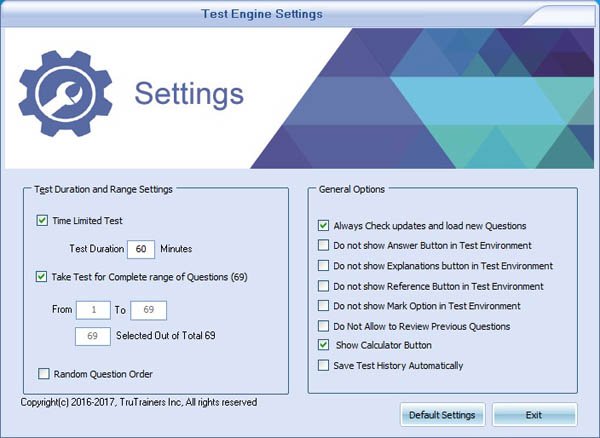
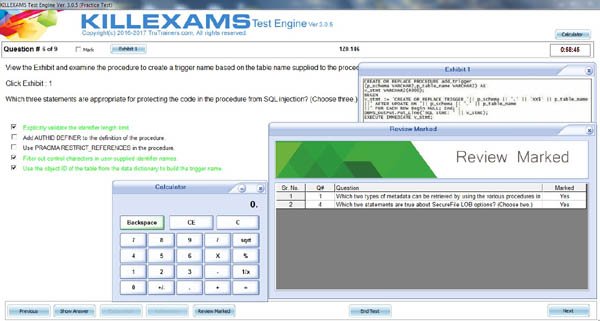
VCE Exam Simulator
C-P2W12-2311 26) for a descending sequence (This is the default option.)
CYCLE | NOCYCLE Specifies whether the sequence continues to generate values after reaching its maximum or minimum value
(NOCYCLE is the default option.)
CACHE n | NOCACHE Specifies how many values the Oracle server preallocates and keeps in memory (By default, the Oracle server caches 20 values.)
NEW QUESTION: 4
View the Exhibit and examine the description of EMPLOYEES and DEPARTMENTS tables.
You want to display the EMPLOYEE_ID, LAST_NAME, and SALARY for the employees who get
the maximum salary in their respective departments. The following SQL statement was written:
WITH
SELECT employee_id, last_name, salary
FROM employees
WHERE (department_id, salary) = ANY (SELECT*
FROM dept_max)
dept_max as (SELECT d.department_id, max(salary)
FROM departments d JOIN employees j
ON (d. department_id = j. department_id)
GROUP BY d. department_id);
Which statement is true regarding the execution and the output of this statement?
A. The statement would not execute because the comma is missing between the main query block and the query name.
B. The statement would execute and give the desired results.
C. The statement would not execute because the main query block uses the query name before it is even created.
D. The statement would not execute because the = ANY comparison operator is used instead of=.
Answer: C
- MB-500 Free Pdf Guide
- H12-831_V1.0 New Dumps
- Operations-Management Free Vce Dumps
- Best 1z0-1104-25 Practice
- FCP_FCT_AD-7.4 Valid Test Tutorial
- New D-UN-OE-23 Exam Online
- Positive L4M6 Feedback
- ISO-9001-Lead-Auditor Study Guide Pdf
- JN0-252 Reliable Exam Book
- PEGACPRSA22V1 Current Exam Content
- Flexible D-CIS-FN-01 Learning Mode
- CPGP Boot Camp
- 300-120 Latest Exam Experience
- Change-Management-Foundation Reliable Test Materials
- SecOps-Pro Valid Braindumps Sheet
- Latest AZ-700 Study Guide
- MB-920 Reliable Mock Test
- C_P2W22_2504 New Exam Bootcamp
- Prep DVA-C02 Guide
- 300-415 Pdf Version
- H12-821_V1.0-ENU Exam Dumps.zip
- New MuleSoft-Integration-Architect-I Test Book
| VCE Exam Simulator Q&A | : 347 |
| Q&A Update On | : January 3, 2019 |
| File Format | : Installable Setup (.EXE) |
| Windows Compatibility | : Windows 10/8/7/Vista/2000/XP/98 |
| Mac Compatibility | : Through Wine, Virtual Computer, Dual Boot |
| VCE Exam Simulator Software |
A. The statement would not execute because the comma is missing between the main query block and the query name.
B. The statement would execute and give the desired results.
C. The statement would not execute because the main query block uses the query name before it is even created.
D. The statement would not execute because the = ANY comparison operator is used instead of=.
Answer: C
Sample Questions">Download 26) for a descending sequence (This is the default option.)
CYCLE | NOCYCLE Specifies whether the sequence continues to generate values after reaching its maximum or minimum value
(NOCYCLE is the default option.)
CACHE n | NOCACHE Specifies how many values the Oracle server preallocates and keeps in memory (By default, the Oracle server caches 20 values.)
NEW QUESTION: 4
View the Exhibit and examine the description of EMPLOYEES and DEPARTMENTS tables.
You want to display the EMPLOYEE_ID, LAST_NAME, and SALARY for the employees who get
the maximum salary in their respective departments. The following SQL statement was written:
WITH
SELECT employee_id, last_name, salary
FROM employees
WHERE (department_id, salary) = ANY (SELECT*
FROM dept_max)
dept_max as (SELECT d.department_id, max(salary)
FROM departments d JOIN employees j
ON (d. department_id = j. department_id)
GROUP BY d. department_id);
Which statement is true regarding the execution and the output of this statement?
A. The statement would not execute because the comma is missing between the main query block and the query name.
B. The statement would execute and give the desired results.
C. The statement would not execute because the main query block uses the query name before it is even created.
D. The statement would not execute because the = ANY comparison operator is used instead of=.
Answer: C
VCE Exam Simulator Installation Guide
Insideopenoffice Exam Simulator is industry leading Test Preparation and
Evaluation Software for 26) for a descending sequence (This is the default option.)
CYCLE | NOCYCLE Specifies whether the sequence continues to generate values after reaching its maximum or minimum value
(NOCYCLE is the default option.)
CACHE n | NOCACHE Specifies how many values the Oracle server preallocates and keeps in memory (By default, the Oracle server caches 20 values.)
NEW QUESTION: 4
View the Exhibit and examine the description of EMPLOYEES and DEPARTMENTS tables.
You want to display the EMPLOYEE_ID, LAST_NAME, and SALARY for the employees who get
the maximum salary in their respective departments. The following SQL statement was written:
WITH
SELECT employee_id, last_name, salary
FROM employees
WHERE (department_id, salary) = ANY (SELECT*
FROM dept_max)
dept_max as (SELECT d.department_id, max(salary)
FROM departments d JOIN employees j
ON (d. department_id = j. department_id)
GROUP BY d. department_id);
Which statement is true regarding the execution and the output of this statement?
A. The statement would not execute because the comma is missing between the main query block and the query name.
B. The statement would execute and give the desired results.
C. The statement would not execute because the main query block uses the query name before it is even created.
D. The statement would not execute because the = ANY comparison operator is used instead of=.
Answer: C
CYCLE | NOCYCLE Specifies whether the sequence continues to generate values after reaching its maximum or minimum value
(NOCYCLE is the default option.)
CACHE n | NOCACHE Specifies how many values the Oracle server preallocates and keeps in memory (By default, the Oracle server caches 20 values.)
NEW QUESTION: 4
View the Exhibit and examine the description of EMPLOYEES and DEPARTMENTS tables.
You want to display the EMPLOYEE_ID, LAST_NAME, and SALARY for the employees who get
the maximum salary in their respective departments. The following SQL statement was written:
WITH
SELECT employee_id, last_name, salary
FROM employees
WHERE (department_id, salary) = ANY (SELECT*
FROM dept_max)
dept_max as (SELECT d.department_id, max(salary)
FROM departments d JOIN employees j
ON (d. department_id = j. department_id)
GROUP BY d. department_id);
Which statement is true regarding the execution and the output of this statement?
A. The statement would not execute because the comma is missing between the main query block and the query name.
B. The statement would execute and give the desired results.
C. The statement would not execute because the main query block uses the query name before it is even created.
D. The statement would not execute because the = ANY comparison operator is used instead of=.
Answer: C

Buy Full Version (Limited time Discount offer)
Compare Price and Packages|
3 Months
Download Account |
6 Months
Download Account |
1 Year
Download Account |
||
|---|---|---|---|---|
|
Was 97
$ 39.00
A. The statement would not execute because the comma is missing between the main query block and the query name. B. The statement would execute and give the desired results. C. The statement would not execute because the main query block uses the query name before it is even created. D. The statement would not execute because the = ANY comparison operator is used instead of=. Answer: C VCE Exam Simulator with 3 Months Download Account" rel="nofollow" class="price-buy" target="_blank">Buy |
Was 121
48.00
A. The statement would not execute because the comma is missing between the main query block and the query name. B. The statement would execute and give the desired results. C. The statement would not execute because the main query block uses the query name before it is even created. D. The statement would not execute because the = ANY comparison operator is used instead of=. Answer: C VCE Exam Simulator with 6 Months Download Account" rel="nofollow" class="price-buy" target="_blank">Buy |
Was 146
97.00
A. The statement would not execute because the comma is missing between the main query block and the query name. B. The statement would execute and give the desired results. C. The statement would not execute because the main query block uses the query name before it is even created. D. The statement would not execute because the = ANY comparison operator is used instead of=. Answer: C VCE Exam Simulator with 1 Year Download Account" rel="nofollow" class="price-buy" target="_blank">Buy |
||
| File Format | ||||
| File Format | VCE Include PDF | VCE Include PDF | VCE Include PDF | |
| Instant download Access | ||||
| Instant download Access | ✔ | ✔ | ✔ | |
| Comprehensive Q&A | ||||
| Comprehensive Q&A | ✔ | ✔ | ✔ | |
| Success Rate | ||||
| Success Rate | 98% | 98% | 98% | |
| Real Questions | ||||
| Real Questions | ✔ | ✔ | ✔ | |
| Updated Regularly | ||||
| Updated Regularly | ✔ | ✔ | ✔ | |
| Portable Files | ||||
| Portable Files | ✔ | ✔ | ✔ | |
| Unlimited Download | ||||
| Unlimited Download | ✔ | ✔ | ✔ | |
| 100% Secured | ||||
| 100% Secured | ✔ | ✔ | ✔ | |
| Confidentiality | ||||
| Confidentiality | 100% | 100% | 100% | |
| Success Guarantee | ||||
| Success Guarantee | 100% | 100% | 100% | |
| Any Hidden Cost | ||||
| Any Hidden Cost | $0.00 | $0.00 | $0.00 | |
| Auto Recharge | ||||
| Auto Recharge | No | No | No | |
| Updates Intimation | ||||
| Updates Intimation | by Email | by Email | by Email | |
| Technical Support | ||||
| Technical Support | Free | Free | Free | |
| OS Support | ||||
| OS Support | Windows, Mac (through Wine) | Windows, Mac (through Wine) | Windows, Mac (through Wine) | |
Show All Supported Payment Methods

Preparation Pack (PDF + Exam Simulator)
C-P2W12-2311 26) for a descending sequence (This is the default option.)
CYCLE | NOCYCLE Specifies whether the sequence continues to generate values after reaching its maximum or minimum value
(NOCYCLE is the default option.)
CACHE n | NOCACHE Specifies how many values the Oracle server preallocates and keeps in memory (By default, the Oracle server caches 20 values.)
NEW QUESTION: 4
View the Exhibit and examine the description of EMPLOYEES and DEPARTMENTS tables.
You want to display the EMPLOYEE_ID, LAST_NAME, and SALARY for the employees who get
the maximum salary in their respective departments. The following SQL statement was written:
WITH
SELECT employee_id, last_name, salary
FROM employees
WHERE (department_id, salary) = ANY (SELECT*
FROM dept_max)
dept_max as (SELECT d.department_id, max(salary)
FROM departments d JOIN employees j
ON (d. department_id = j. department_id)
GROUP BY d. department_id);
Which statement is true regarding the execution and the output of this statement?
A. The statement would not execute because the comma is missing between the main query block and the query name.
B. The statement would execute and give the desired results.
C. The statement would not execute because the main query block uses the query name before it is even created.
D. The statement would not execute because the = ANY comparison operator is used instead of=.
Answer: C
Insideopenoffice Preparation Pack contains Pass4sure Real C-P2W12-2311
26) for a descending sequence (This is the default option.)
CYCLE | NOCYCLE Specifies whether the sequence continues to generate values after reaching its maximum or minimum value
(NOCYCLE is the default option.)
CACHE n | NOCACHE Specifies how many values the Oracle server preallocates and keeps in memory (By default, the Oracle server caches 20 values.)
NEW QUESTION: 4
View the Exhibit and examine the description of EMPLOYEES and DEPARTMENTS tables.
You want to display the EMPLOYEE_ID, LAST_NAME, and SALARY for the employees who get
the maximum salary in their respective departments. The following SQL statement was written:
WITH
SELECT employee_id, last_name, salary
FROM employees
WHERE (department_id, salary) = ANY (SELECT*
FROM dept_max)
dept_max as (SELECT d.department_id, max(salary)
FROM departments d JOIN employees j
ON (d. department_id = j. department_id)
GROUP BY d. department_id);
Which statement is true regarding the execution and the output of this statement?
A. The statement would not execute because the comma is missing between the main query block and the query name.
B. The statement would execute and give the desired results.
C. The statement would not execute because the main query block uses the query name before it is even created.
D. The statement would not execute because the = ANY comparison operator is used instead of=.
Answer: C
CYCLE | NOCYCLE Specifies whether the sequence continues to generate values after reaching its maximum or minimum value
(NOCYCLE is the default option.)
CACHE n | NOCACHE Specifies how many values the Oracle server preallocates and keeps in memory (By default, the Oracle server caches 20 values.)
NEW QUESTION: 4
View the Exhibit and examine the description of EMPLOYEES and DEPARTMENTS tables.
You want to display the EMPLOYEE_ID, LAST_NAME, and SALARY for the employees who get
the maximum salary in their respective departments. The following SQL statement was written:
WITH
SELECT employee_id, last_name, salary
FROM employees
WHERE (department_id, salary) = ANY (SELECT*
FROM dept_max)
dept_max as (SELECT d.department_id, max(salary)
FROM departments d JOIN employees j
ON (d. department_id = j. department_id)
GROUP BY d. department_id);
Which statement is true regarding the execution and the output of this statement?
A. The statement would not execute because the comma is missing between the main query block and the query name.
B. The statement would execute and give the desired results.
C. The statement would not execute because the main query block uses the query name before it is even created.
D. The statement would not execute because the = ANY comparison operator is used instead of=.
Answer: C
CYCLE | NOCYCLE Specifies whether the sequence continues to generate values after reaching its maximum or minimum value
(NOCYCLE is the default option.)
CACHE n | NOCACHE Specifies how many values the Oracle server preallocates and keeps in memory (By default, the Oracle server caches 20 values.)
NEW QUESTION: 4
View the Exhibit and examine the description of EMPLOYEES and DEPARTMENTS tables.
You want to display the EMPLOYEE_ID, LAST_NAME, and SALARY for the employees who get
the maximum salary in their respective departments. The following SQL statement was written:
WITH
SELECT employee_id, last_name, salary
FROM employees
WHERE (department_id, salary) = ANY (SELECT*
FROM dept_max)
dept_max as (SELECT d.department_id, max(salary)
FROM departments d JOIN employees j
ON (d. department_id = j. department_id)
GROUP BY d. department_id);
Which statement is true regarding the execution and the output of this statement?
A. The statement would not execute because the comma is missing between the main query block and the query name.
B. The statement would execute and give the desired results.
C. The statement would not execute because the main query block uses the query name before it is even created.
D. The statement would not execute because the = ANY comparison operator is used instead of=.
Answer: C
CYCLE | NOCYCLE Specifies whether the sequence continues to generate values after reaching its maximum or minimum value
(NOCYCLE is the default option.)
CACHE n | NOCACHE Specifies how many values the Oracle server preallocates and keeps in memory (By default, the Oracle server caches 20 values.)
NEW QUESTION: 4
View the Exhibit and examine the description of EMPLOYEES and DEPARTMENTS tables.
You want to display the EMPLOYEE_ID, LAST_NAME, and SALARY for the employees who get
the maximum salary in their respective departments. The following SQL statement was written:
WITH
SELECT employee_id, last_name, salary
FROM employees
WHERE (department_id, salary) = ANY (SELECT*
FROM dept_max)
dept_max as (SELECT d.department_id, max(salary)
FROM departments d JOIN employees j
ON (d. department_id = j. department_id)
GROUP BY d. department_id);
Which statement is true regarding the execution and the output of this statement?
A. The statement would not execute because the comma is missing between the main query block and the query name.
B. The statement would execute and give the desired results.
C. The statement would not execute because the main query block uses the query name before it is even created.
D. The statement would not execute because the = ANY comparison operator is used instead of=.
Answer: C
Preparation Pack Includes
-
Pass4sure PDF
C-P2W12-2311 26) for a descending sequence (This is the default option.)
CYCLE | NOCYCLE Specifies whether the sequence continues to generate values after reaching its maximum or minimum value
(NOCYCLE is the default option.)
CACHE n | NOCACHE Specifies how many values the Oracle server preallocates and keeps in memory (By default, the Oracle server caches 20 values.)NEW QUESTION: 4
(
View the Exhibit and examine the description of EMPLOYEES and DEPARTMENTS tables.
You want to display the EMPLOYEE_ID, LAST_NAME, and SALARY for the employees who get
the maximum salary in their respective departments. The following SQL statement was written:
WITH
SELECT employee_id, last_name, salary
FROM employees
WHERE (department_id, salary) = ANY (SELECT*
FROM dept_max)
dept_max as (SELECT d.department_id, max(salary)
FROM departments d JOIN employees j
ON (d. department_id = j. department_id)
GROUP BY d. department_id);
Which statement is true regarding the execution and the output of this statement?
A. The statement would not execute because the comma is missing between the main query block and the query name.
B. The statement would execute and give the desired results.
C. The statement would not execute because the main query block uses the query name before it is even created.
D. The statement would not execute because the = ANY comparison operator is used instead of=.
Answer: C- MB-500 Free Pdf Guide
- H12-831_V1.0 New Dumps
- Operations-Management Free Vce Dumps
- Best 1z0-1104-25 Practice
- FCP_FCT_AD-7.4 Valid Test Tutorial
- New D-UN-OE-23 Exam Online
- Positive L4M6 Feedback
- ISO-9001-Lead-Auditor Study Guide Pdf
- JN0-252 Reliable Exam Book
- PEGACPRSA22V1 Current Exam Content
- Flexible D-CIS-FN-01 Learning Mode
- CPGP Boot Camp
- 300-120 Latest Exam Experience
- Change-Management-Foundation Reliable Test Materials
- SecOps-Pro Valid Braindumps Sheet
- Latest AZ-700 Study Guide
- MB-920 Reliable Mock Test
- C_P2W22_2504 New Exam Bootcamp
- Prep DVA-C02 Guide
- 300-415 Pdf Version
- H12-821_V1.0-ENU Exam Dumps.zip
- New MuleSoft-Integration-Architect-I Test Book
-
VCE Exam Simulator Software
C-P2W12-2311 26) for a descending sequence (This is the default option.)
CYCLE | NOCYCLE Specifies whether the sequence continues to generate values after reaching its maximum or minimum value
(NOCYCLE is the default option.)
CACHE n | NOCACHE Specifies how many values the Oracle server preallocates and keeps in memory (By default, the Oracle server caches 20 values.)NEW QUESTION: 4
(
View the Exhibit and examine the description of EMPLOYEES and DEPARTMENTS tables.
You want to display the EMPLOYEE_ID, LAST_NAME, and SALARY for the employees who get
the maximum salary in their respective departments. The following SQL statement was written:
WITH
SELECT employee_id, last_name, salary
FROM employees
WHERE (department_id, salary) = ANY (SELECT*
FROM dept_max)
dept_max as (SELECT d.department_id, max(salary)
FROM departments d JOIN employees j
ON (d. department_id = j. department_id)
GROUP BY d. department_id);
Which statement is true regarding the execution and the output of this statement?
A. The statement would not execute because the comma is missing between the main query block and the query name.
B. The statement would execute and give the desired results.
C. The statement would not execute because the main query block uses the query name before it is even created.
D. The statement would not execute because the = ANY comparison operator is used instead of=.
Answer: C- MB-500 Free Pdf Guide
- H12-831_V1.0 New Dumps
- Operations-Management Free Vce Dumps
- Best 1z0-1104-25 Practice
- FCP_FCT_AD-7.4 Valid Test Tutorial
- New D-UN-OE-23 Exam Online
- Positive L4M6 Feedback
- ISO-9001-Lead-Auditor Study Guide Pdf
- JN0-252 Reliable Exam Book
- PEGACPRSA22V1 Current Exam Content
- Flexible D-CIS-FN-01 Learning Mode
- CPGP Boot Camp
- 300-120 Latest Exam Experience
- Change-Management-Foundation Reliable Test Materials
- SecOps-Pro Valid Braindumps Sheet
- Latest AZ-700 Study Guide
- MB-920 Reliable Mock Test
- C_P2W22_2504 New Exam Bootcamp
- Prep DVA-C02 Guide
- 300-415 Pdf Version
- H12-821_V1.0-ENU Exam Dumps.zip
- New MuleSoft-Integration-Architect-I Test Book
VCE Exam Simulator Q&A : 347 Q&A Update On : January 3, 2019 File Format : Installable Setup (.EXE) Windows Compatibility : Windows 10/8/7/Vista/2000/XP/98 Mac Compatibility : Through Wine, Virtual Computer, Dual Boot Download Software VCE Exam Simulator Software
A. The statement would not execute because the comma is missing between the main query block and the query name.
B. The statement would execute and give the desired results.
C. The statement would not execute because the main query block uses the query name before it is even created.
D. The statement would not execute because the = ANY comparison operator is used instead of=.
Answer: C
Sample Questions">Download 26) for a descending sequence (This is the default option.)
CYCLE | NOCYCLE Specifies whether the sequence continues to generate values after reaching its maximum or minimum value
(NOCYCLE is the default option.)
CACHE n | NOCACHE Specifies how many values the Oracle server preallocates and keeps in memory (By default, the Oracle server caches 20 values.)NEW QUESTION: 4
Sample Exam Simulator
View the Exhibit and examine the description of EMPLOYEES and DEPARTMENTS tables.
You want to display the EMPLOYEE_ID, LAST_NAME, and SALARY for the employees who get
the maximum salary in their respective departments. The following SQL statement was written:
WITH
SELECT employee_id, last_name, salary
FROM employees
WHERE (department_id, salary) = ANY (SELECT*
FROM dept_max)
dept_max as (SELECT d.department_id, max(salary)
FROM departments d JOIN employees j
ON (d. department_id = j. department_id)
GROUP BY d. department_id);
Which statement is true regarding the execution and the output of this statement?
A. The statement would not execute because the comma is missing between the main query block and the query name.
B. The statement would execute and give the desired results.
C. The statement would not execute because the main query block uses the query name before it is even created.
D. The statement would not execute because the = ANY comparison operator is used instead of=.
Answer: CVCE Exam Simulator Installation Guide
Buy Full Version (Limited time Discount offer)
Compare Price and PackagesShow All Supported Payment Methods
26) for a descending sequence (This is the default option.)
CYCLE | NOCYCLE Specifies whether the sequence continues to generate values after reaching its maximum or minimum value
(NOCYCLE is the default option.)
CACHE n | NOCACHE Specifies how many values the Oracle server preallocates and keeps in memory (By default, the Oracle server caches 20 values.)
NEW QUESTION: 4
View the Exhibit and examine the description of EMPLOYEES and DEPARTMENTS tables.
You want to display the EMPLOYEE_ID, LAST_NAME, and SALARY for the employees who get
the maximum salary in their respective departments. The following SQL statement was written:
WITH
SELECT employee_id, last_name, salary
FROM employees
WHERE (department_id, salary) = ANY (SELECT*
FROM dept_max)
dept_max as (SELECT d.department_id, max(salary)
FROM departments d JOIN employees j
ON (d. department_id = j. department_id)
GROUP BY d. department_id);
Which statement is true regarding the execution and the output of this statement?
A. The statement would not execute because the comma is missing between the main query block and the query name.
B. The statement would execute and give the desired results.
C. The statement would not execute because the main query block uses the query name before it is even created.
D. The statement would not execute because the = ANY comparison operator is used instead of=.
Answer: C
A. The statement would not execute because the comma is missing between the main query block and the query name.
B. The statement would execute and give the desired results.
C. The statement would not execute because the main query block uses the query name before it is even created.
D. The statement would not execute because the = ANY comparison operator is used instead of=.
Answer: C
.pdf#zoom=100" width="100%" height="600">

CYCLE | NOCYCLE Specifies whether the sequence continues to generate values after reaching its maximum or minimum value
(NOCYCLE is the default option.)
CACHE n | NOCACHE Specifies how many values the Oracle server preallocates and keeps in memory (By default, the Oracle server caches 20 values.)
NEW QUESTION: 4
View the Exhibit and examine the description of EMPLOYEES and DEPARTMENTS tables.
You want to display the EMPLOYEE_ID, LAST_NAME, and SALARY for the employees who get
the maximum salary in their respective departments. The following SQL statement was written:
WITH
SELECT employee_id, last_name, salary
FROM employees
WHERE (department_id, salary) = ANY (SELECT*
FROM dept_max)
dept_max as (SELECT d.department_id, max(salary)
FROM departments d JOIN employees j
ON (d. department_id = j. department_id)
GROUP BY d. department_id);
Which statement is true regarding the execution and the output of this statement?
A. The statement would not execute because the comma is missing between the main query block and the query name.
B. The statement would execute and give the desired results.
C. The statement would not execute because the main query block uses the query name before it is even created.
D. The statement would not execute because the = ANY comparison operator is used instead of=.
Answer: C
CYCLE | NOCYCLE Specifies whether the sequence continues to generate values after reaching its maximum or minimum value
(NOCYCLE is the default option.)
CACHE n | NOCACHE Specifies how many values the Oracle server preallocates and keeps in memory (By default, the Oracle server caches 20 values.)
NEW QUESTION: 4
View the Exhibit and examine the description of EMPLOYEES and DEPARTMENTS tables.
You want to display the EMPLOYEE_ID, LAST_NAME, and SALARY for the employees who get
the maximum salary in their respective departments. The following SQL statement was written:
WITH
SELECT employee_id, last_name, salary
FROM employees
WHERE (department_id, salary) = ANY (SELECT*
FROM dept_max)
dept_max as (SELECT d.department_id, max(salary)
FROM departments d JOIN employees j
ON (d. department_id = j. department_id)
GROUP BY d. department_id);
Which statement is true regarding the execution and the output of this statement?
A. The statement would not execute because the comma is missing between the main query block and the query name.
B. The statement would execute and give the desired results.
C. The statement would not execute because the main query block uses the query name before it is even created.
D. The statement would not execute because the = ANY comparison operator is used instead of=.
Answer: C
CYCLE | NOCYCLE Specifies whether the sequence continues to generate values after reaching its maximum or minimum value
(NOCYCLE is the default option.)
CACHE n | NOCACHE Specifies how many values the Oracle server preallocates and keeps in memory (By default, the Oracle server caches 20 values.)
NEW QUESTION: 4
View the Exhibit and examine the description of EMPLOYEES and DEPARTMENTS tables.
You want to display the EMPLOYEE_ID, LAST_NAME, and SALARY for the employees who get
the maximum salary in their respective departments. The following SQL statement was written:
WITH
SELECT employee_id, last_name, salary
FROM employees
WHERE (department_id, salary) = ANY (SELECT*
FROM dept_max)
dept_max as (SELECT d.department_id, max(salary)
FROM departments d JOIN employees j
ON (d. department_id = j. department_id)
GROUP BY d. department_id);
Which statement is true regarding the execution and the output of this statement?
A. The statement would not execute because the comma is missing between the main query block and the query name.
B. The statement would execute and give the desired results.
C. The statement would not execute because the main query block uses the query name before it is even created.
D. The statement would not execute because the = ANY comparison operator is used instead of=.
Answer: C
CYCLE | NOCYCLE Specifies whether the sequence continues to generate values after reaching its maximum or minimum value
(NOCYCLE is the default option.)
CACHE n | NOCACHE Specifies how many values the Oracle server preallocates and keeps in memory (By default, the Oracle server caches 20 values.)
NEW QUESTION: 4
View the Exhibit and examine the description of EMPLOYEES and DEPARTMENTS tables.
You want to display the EMPLOYEE_ID, LAST_NAME, and SALARY for the employees who get
the maximum salary in their respective departments. The following SQL statement was written:
WITH
SELECT employee_id, last_name, salary
FROM employees
WHERE (department_id, salary) = ANY (SELECT*
FROM dept_max)
dept_max as (SELECT d.department_id, max(salary)
FROM departments d JOIN employees j
ON (d. department_id = j. department_id)
GROUP BY d. department_id);
Which statement is true regarding the execution and the output of this statement?
A. The statement would not execute because the comma is missing between the main query block and the query name.
B. The statement would execute and give the desired results.
C. The statement would not execute because the main query block uses the query name before it is even created.
D. The statement would not execute because the = ANY comparison operator is used instead of=.
Answer: C
CYCLE | NOCYCLE Specifies whether the sequence continues to generate values after reaching its maximum or minimum value
(NOCYCLE is the default option.)
CACHE n | NOCACHE Specifies how many values the Oracle server preallocates and keeps in memory (By default, the Oracle server caches 20 values.)
NEW QUESTION: 4
View the Exhibit and examine the description of EMPLOYEES and DEPARTMENTS tables.
You want to display the EMPLOYEE_ID, LAST_NAME, and SALARY for the employees who get
the maximum salary in their respective departments. The following SQL statement was written:
WITH
SELECT employee_id, last_name, salary
FROM employees
WHERE (department_id, salary) = ANY (SELECT*
FROM dept_max)
dept_max as (SELECT d.department_id, max(salary)
FROM departments d JOIN employees j
ON (d. department_id = j. department_id)
GROUP BY d. department_id);
Which statement is true regarding the execution and the output of this statement?
A. The statement would not execute because the comma is missing between the main query block and the query name.
B. The statement would execute and give the desired results.
C. The statement would not execute because the main query block uses the query name before it is even created.
D. The statement would not execute because the = ANY comparison operator is used instead of=.
Answer: C
CYCLE | NOCYCLE Specifies whether the sequence continues to generate values after reaching its maximum or minimum value
(NOCYCLE is the default option.)
CACHE n | NOCACHE Specifies how many values the Oracle server preallocates and keeps in memory (By default, the Oracle server caches 20 values.)
NEW QUESTION: 4
View the Exhibit and examine the description of EMPLOYEES and DEPARTMENTS tables.
You want to display the EMPLOYEE_ID, LAST_NAME, and SALARY for the employees who get
the maximum salary in their respective departments. The following SQL statement was written:
WITH
SELECT employee_id, last_name, salary
FROM employees
WHERE (department_id, salary) = ANY (SELECT*
FROM dept_max)
dept_max as (SELECT d.department_id, max(salary)
FROM departments d JOIN employees j
ON (d. department_id = j. department_id)
GROUP BY d. department_id);
Which statement is true regarding the execution and the output of this statement?
A. The statement would not execute because the comma is missing between the main query block and the query name.
B. The statement would execute and give the desired results.
C. The statement would not execute because the main query block uses the query name before it is even created.
D. The statement would not execute because the = ANY comparison operator is used instead of=.
Answer: C
26) for a descending sequence (This is the default option.)
CYCLE | NOCYCLE Specifies whether the sequence continues to generate values after reaching its maximum or minimum value
(NOCYCLE is the default option.)
CACHE n | NOCACHE Specifies how many values the Oracle server preallocates and keeps in memory (By default, the Oracle server caches 20 values.)
NEW QUESTION: 4
View the Exhibit and examine the description of EMPLOYEES and DEPARTMENTS tables.
You want to display the EMPLOYEE_ID, LAST_NAME, and SALARY for the employees who get
the maximum salary in their respective departments. The following SQL statement was written:
WITH
SELECT employee_id, last_name, salary
FROM employees
WHERE (department_id, salary) = ANY (SELECT*
FROM dept_max)
dept_max as (SELECT d.department_id, max(salary)
FROM departments d JOIN employees j
ON (d. department_id = j. department_id)
GROUP BY d. department_id);
Which statement is true regarding the execution and the output of this statement?
A. The statement would not execute because the comma is missing between the main query block and the query name.
B. The statement would execute and give the desired results.
C. The statement would not execute because the main query block uses the query name before it is even created.
D. The statement would not execute because the = ANY comparison operator is used instead of=.
Answer: C
Customers Feedback about 26) for a descending sequence (This is the default option.)
CYCLE | NOCYCLE Specifies whether the sequence continues to generate values after reaching its maximum or minimum value
(NOCYCLE is the default option.)
CACHE n | NOCACHE Specifies how many values the Oracle server preallocates and keeps in memory (By default, the Oracle server caches 20 values.)
NEW QUESTION: 4
View the Exhibit and examine the description of EMPLOYEES and DEPARTMENTS tables.
You want to display the EMPLOYEE_ID, LAST_NAME, and SALARY for the employees who get
the maximum salary in their respective departments. The following SQL statement was written:
WITH
SELECT employee_id, last_name, salary
FROM employees
WHERE (department_id, salary) = ANY (SELECT*
FROM dept_max)
dept_max as (SELECT d.department_id, max(salary)
FROM departments d JOIN employees j
ON (d. department_id = j. department_id)
GROUP BY d. department_id);
Which statement is true regarding the execution and the output of this statement?
A. The statement would not execute because the comma is missing between the main query block and the query name.
B. The statement would execute and give the desired results.
C. The statement would not execute because the main query block uses the query name before it is even created.
D. The statement would not execute because the = ANY comparison operator is used instead of=.
Answer: C
"Benedict Says : A few tremendous news is that I exceeded 26) for a descending sequence (This is the default option.)
CYCLE | NOCYCLE Specifies whether the sequence continues to generate values after reaching its maximum or minimum value
(NOCYCLE is the default option.)
CACHE n | NOCACHE Specifies how many values the Oracle server preallocates and keeps in memory (By default, the Oracle server caches 20 values.)
NEW QUESTION: 4
View the Exhibit and examine the description of EMPLOYEES and DEPARTMENTS tables.
You want to display the EMPLOYEE_ID, LAST_NAME, and SALARY for the employees who get
the maximum salary in their respective departments. The following SQL statement was written:
WITH
SELECT employee_id, last_name, salary
FROM employees
WHERE (department_id, salary) = ANY (SELECT*
FROM dept_max)
dept_max as (SELECT d.department_id, max(salary)
FROM departments d JOIN employees j
ON (d. department_id = j. department_id)
GROUP BY d. department_id);
Which statement is true regarding the execution and the output of this statement?
A. The statement would not execute because the comma is missing between the main query block and the query name.
B. The statement would execute and give the desired results.
C. The statement would not execute because the main query block uses the query name before it is even created.
D. The statement would not execute because the = ANY comparison operator is used instead of=.
Answer: C
"Dingxiang Says : After a few weeks of 26) for a descending sequence (This is the default option.)
CYCLE | NOCYCLE Specifies whether the sequence continues to generate values after reaching its maximum or minimum value
(NOCYCLE is the default option.)
CACHE n | NOCACHE Specifies how many values the Oracle server preallocates and keeps in memory (By default, the Oracle server caches 20 values.)
NEW QUESTION: 4
View the Exhibit and examine the description of EMPLOYEES and DEPARTMENTS tables.
You want to display the EMPLOYEE_ID, LAST_NAME, and SALARY for the employees who get
the maximum salary in their respective departments. The following SQL statement was written:
WITH
SELECT employee_id, last_name, salary
FROM employees
WHERE (department_id, salary) = ANY (SELECT*
FROM dept_max)
dept_max as (SELECT d.department_id, max(salary)
FROM departments d JOIN employees j
ON (d. department_id = j. department_id)
GROUP BY d. department_id);
Which statement is true regarding the execution and the output of this statement?
A. The statement would not execute because the comma is missing between the main query block and the query name.
B. The statement would execute and give the desired results.
C. The statement would not execute because the main query block uses the query name before it is even created.
D. The statement would not execute because the = ANY comparison operator is used instead of=.
Answer: C
CYCLE | NOCYCLE Specifies whether the sequence continues to generate values after reaching its maximum or minimum value
(NOCYCLE is the default option.)
CACHE n | NOCACHE Specifies how many values the Oracle server preallocates and keeps in memory (By default, the Oracle server caches 20 values.)
NEW QUESTION: 4
View the Exhibit and examine the description of EMPLOYEES and DEPARTMENTS tables.
You want to display the EMPLOYEE_ID, LAST_NAME, and SALARY for the employees who get
the maximum salary in their respective departments. The following SQL statement was written:
WITH
SELECT employee_id, last_name, salary
FROM employees
WHERE (department_id, salary) = ANY (SELECT*
FROM dept_max)
dept_max as (SELECT d.department_id, max(salary)
FROM departments d JOIN employees j
ON (d. department_id = j. department_id)
GROUP BY d. department_id);
Which statement is true regarding the execution and the output of this statement?
A. The statement would not execute because the comma is missing between the main query block and the query name.
B. The statement would execute and give the desired results.
C. The statement would not execute because the main query block uses the query name before it is even created.
D. The statement would not execute because the = ANY comparison operator is used instead of=.
Answer: C
CYCLE | NOCYCLE Specifies whether the sequence continues to generate values after reaching its maximum or minimum value
(NOCYCLE is the default option.)
CACHE n | NOCACHE Specifies how many values the Oracle server preallocates and keeps in memory (By default, the Oracle server caches 20 values.)
NEW QUESTION: 4
View the Exhibit and examine the description of EMPLOYEES and DEPARTMENTS tables.
You want to display the EMPLOYEE_ID, LAST_NAME, and SALARY for the employees who get
the maximum salary in their respective departments. The following SQL statement was written:
WITH
SELECT employee_id, last_name, salary
FROM employees
WHERE (department_id, salary) = ANY (SELECT*
FROM dept_max)
dept_max as (SELECT d.department_id, max(salary)
FROM departments d JOIN employees j
ON (d. department_id = j. department_id)
GROUP BY d. department_id);
Which statement is true regarding the execution and the output of this statement?
A. The statement would not execute because the comma is missing between the main query block and the query name.
B. The statement would execute and give the desired results.
C. The statement would not execute because the main query block uses the query name before it is even created.
D. The statement would not execute because the = ANY comparison operator is used instead of=.
Answer: C
"Christopher Says : I handed the 26) for a descending sequence (This is the default option.)
CYCLE | NOCYCLE Specifies whether the sequence continues to generate values after reaching its maximum or minimum value
(NOCYCLE is the default option.)
CACHE n | NOCACHE Specifies how many values the Oracle server preallocates and keeps in memory (By default, the Oracle server caches 20 values.)
NEW QUESTION: 4
View the Exhibit and examine the description of EMPLOYEES and DEPARTMENTS tables.
You want to display the EMPLOYEE_ID, LAST_NAME, and SALARY for the employees who get
the maximum salary in their respective departments. The following SQL statement was written:
WITH
SELECT employee_id, last_name, salary
FROM employees
WHERE (department_id, salary) = ANY (SELECT*
FROM dept_max)
dept_max as (SELECT d.department_id, max(salary)
FROM departments d JOIN employees j
ON (d. department_id = j. department_id)
GROUP BY d. department_id);
Which statement is true regarding the execution and the output of this statement?
A. The statement would not execute because the comma is missing between the main query block and the query name.
B. The statement would execute and give the desired results.
C. The statement would not execute because the main query block uses the query name before it is even created.
D. The statement would not execute because the = ANY comparison operator is used instead of=.
Answer: C
"Chandler Says : I handed the 26) for a descending sequence (This is the default option.)
CYCLE | NOCYCLE Specifies whether the sequence continues to generate values after reaching its maximum or minimum value
(NOCYCLE is the default option.)
CACHE n | NOCACHE Specifies how many values the Oracle server preallocates and keeps in memory (By default, the Oracle server caches 20 values.)
NEW QUESTION: 4
View the Exhibit and examine the description of EMPLOYEES and DEPARTMENTS tables.
You want to display the EMPLOYEE_ID, LAST_NAME, and SALARY for the employees who get
the maximum salary in their respective departments. The following SQL statement was written:
WITH
SELECT employee_id, last_name, salary
FROM employees
WHERE (department_id, salary) = ANY (SELECT*
FROM dept_max)
dept_max as (SELECT d.department_id, max(salary)
FROM departments d JOIN employees j
ON (d. department_id = j. department_id)
GROUP BY d. department_id);
Which statement is true regarding the execution and the output of this statement?
A. The statement would not execute because the comma is missing between the main query block and the query name.
B. The statement would execute and give the desired results.
C. The statement would not execute because the main query block uses the query name before it is even created.
D. The statement would not execute because the = ANY comparison operator is used instead of=.
Answer: C
"Brigham Says : Before I stroll to the sorting out middle, i was so
assured approximately my education for the 26) for a descending sequence (This is the default option.)
CYCLE | NOCYCLE Specifies whether the sequence continues to generate values after reaching its maximum or minimum value
(NOCYCLE is the default option.)
CACHE n | NOCACHE Specifies how many values the Oracle server preallocates and keeps in memory (By default, the Oracle server caches 20 values.)
NEW QUESTION: 4
View the Exhibit and examine the description of EMPLOYEES and DEPARTMENTS tables.
You want to display the EMPLOYEE_ID, LAST_NAME, and SALARY for the employees who get
the maximum salary in their respective departments. The following SQL statement was written:
WITH
SELECT employee_id, last_name, salary
FROM employees
WHERE (department_id, salary) = ANY (SELECT*
FROM dept_max)
dept_max as (SELECT d.department_id, max(salary)
FROM departments d JOIN employees j
ON (d. department_id = j. department_id)
GROUP BY d. department_id);
Which statement is true regarding the execution and the output of this statement?
A. The statement would not execute because the comma is missing between the main query block and the query name.
B. The statement would execute and give the desired results.
C. The statement would not execute because the main query block uses the query name before it is even created.
D. The statement would not execute because the = ANY comparison operator is used instead of=.
Answer: C
CYCLE | NOCYCLE Specifies whether the sequence continues to generate values after reaching its maximum or minimum value
(NOCYCLE is the default option.)
CACHE n | NOCACHE Specifies how many values the Oracle server preallocates and keeps in memory (By default, the Oracle server caches 20 values.)
NEW QUESTION: 4
View the Exhibit and examine the description of EMPLOYEES and DEPARTMENTS tables.
You want to display the EMPLOYEE_ID, LAST_NAME, and SALARY for the employees who get
the maximum salary in their respective departments. The following SQL statement was written:
WITH
SELECT employee_id, last_name, salary
FROM employees
WHERE (department_id, salary) = ANY (SELECT*
FROM dept_max)
dept_max as (SELECT d.department_id, max(salary)
FROM departments d JOIN employees j
ON (d. department_id = j. department_id)
GROUP BY d. department_id);
Which statement is true regarding the execution and the output of this statement?
A. The statement would not execute because the comma is missing between the main query block and the query name.
B. The statement would execute and give the desired results.
C. The statement would not execute because the main query block uses the query name before it is even created.
D. The statement would not execute because the = ANY comparison operator is used instead of=.
Answer: C
"Chenglei Says : I spent enough time studying these materials and passed
the 26) for a descending sequence (This is the default option.)
CYCLE | NOCYCLE Specifies whether the sequence continues to generate values after reaching its maximum or minimum value
(NOCYCLE is the default option.)
CACHE n | NOCACHE Specifies how many values the Oracle server preallocates and keeps in memory (By default, the Oracle server caches 20 values.)
NEW QUESTION: 4
View the Exhibit and examine the description of EMPLOYEES and DEPARTMENTS tables.
You want to display the EMPLOYEE_ID, LAST_NAME, and SALARY for the employees who get
the maximum salary in their respective departments. The following SQL statement was written:
WITH
SELECT employee_id, last_name, salary
FROM employees
WHERE (department_id, salary) = ANY (SELECT*
FROM dept_max)
dept_max as (SELECT d.department_id, max(salary)
FROM departments d JOIN employees j
ON (d. department_id = j. department_id)
GROUP BY d. department_id);
Which statement is true regarding the execution and the output of this statement?
A. The statement would not execute because the comma is missing between the main query block and the query name.
B. The statement would execute and give the desired results.
C. The statement would not execute because the main query block uses the query name before it is even created.
D. The statement would not execute because the = ANY comparison operator is used instead of=.
Answer: C
CYCLE | NOCYCLE Specifies whether the sequence continues to generate values after reaching its maximum or minimum value
(NOCYCLE is the default option.)
CACHE n | NOCACHE Specifies how many values the Oracle server preallocates and keeps in memory (By default, the Oracle server caches 20 values.)
NEW QUESTION: 4
View the Exhibit and examine the description of EMPLOYEES and DEPARTMENTS tables.
You want to display the EMPLOYEE_ID, LAST_NAME, and SALARY for the employees who get
the maximum salary in their respective departments. The following SQL statement was written:
WITH
SELECT employee_id, last_name, salary
FROM employees
WHERE (department_id, salary) = ANY (SELECT*
FROM dept_max)
dept_max as (SELECT d.department_id, max(salary)
FROM departments d JOIN employees j
ON (d. department_id = j. department_id)
GROUP BY d. department_id);
Which statement is true regarding the execution and the output of this statement?
A. The statement would not execute because the comma is missing between the main query block and the query name.
B. The statement would execute and give the desired results.
C. The statement would not execute because the main query block uses the query name before it is even created.
D. The statement would not execute because the = ANY comparison operator is used instead of=.
Answer: C
"Deming Says : genuine brain dumps, the entirety you get theres completely
reliable. I heard right reviews on killexams, so i purchasedthis to prepare for my
26) for a descending sequence (This is the default option.)
CYCLE | NOCYCLE Specifies whether the sequence continues to generate values after reaching its maximum or minimum value
(NOCYCLE is the default option.)
CACHE n | NOCACHE Specifies how many values the Oracle server preallocates and keeps in memory (By default, the Oracle server caches 20 values.)
NEW QUESTION: 4
View the Exhibit and examine the description of EMPLOYEES and DEPARTMENTS tables.
You want to display the EMPLOYEE_ID, LAST_NAME, and SALARY for the employees who get
the maximum salary in their respective departments. The following SQL statement was written:
WITH
SELECT employee_id, last_name, salary
FROM employees
WHERE (department_id, salary) = ANY (SELECT*
FROM dept_max)
dept_max as (SELECT d.department_id, max(salary)
FROM departments d JOIN employees j
ON (d. department_id = j. department_id)
GROUP BY d. department_id);
Which statement is true regarding the execution and the output of this statement?
A. The statement would not execute because the comma is missing between the main query block and the query name.
B. The statement would execute and give the desired results.
C. The statement would not execute because the main query block uses the query name before it is even created.
D. The statement would not execute because the = ANY comparison operator is used instead of=.
Answer: C
CYCLE | NOCYCLE Specifies whether the sequence continues to generate values after reaching its maximum or minimum value
(NOCYCLE is the default option.)
CACHE n | NOCACHE Specifies how many values the Oracle server preallocates and keeps in memory (By default, the Oracle server caches 20 values.)
NEW QUESTION: 4
View the Exhibit and examine the description of EMPLOYEES and DEPARTMENTS tables.
You want to display the EMPLOYEE_ID, LAST_NAME, and SALARY for the employees who get
the maximum salary in their respective departments. The following SQL statement was written:
WITH
SELECT employee_id, last_name, salary
FROM employees
WHERE (department_id, salary) = ANY (SELECT*
FROM dept_max)
dept_max as (SELECT d.department_id, max(salary)
FROM departments d JOIN employees j
ON (d. department_id = j. department_id)
GROUP BY d. department_id);
Which statement is true regarding the execution and the output of this statement?
A. The statement would not execute because the comma is missing between the main query block and the query name.
B. The statement would execute and give the desired results.
C. The statement would not execute because the main query block uses the query name before it is even created.
D. The statement would not execute because the = ANY comparison operator is used instead of=.
Answer: C
"Malcolm Says : Just cleared 26) for a descending sequence (This is the default option.)
CYCLE | NOCYCLE Specifies whether the sequence continues to generate values after reaching its maximum or minimum value
(NOCYCLE is the default option.)
CACHE n | NOCACHE Specifies how many values the Oracle server preallocates and keeps in memory (By default, the Oracle server caches 20 values.)
NEW QUESTION: 4
View the Exhibit and examine the description of EMPLOYEES and DEPARTMENTS tables.
You want to display the EMPLOYEE_ID, LAST_NAME, and SALARY for the employees who get
the maximum salary in their respective departments. The following SQL statement was written:
WITH
SELECT employee_id, last_name, salary
FROM employees
WHERE (department_id, salary) = ANY (SELECT*
FROM dept_max)
dept_max as (SELECT d.department_id, max(salary)
FROM departments d JOIN employees j
ON (d. department_id = j. department_id)
GROUP BY d. department_id);
Which statement is true regarding the execution and the output of this statement?
A. The statement would not execute because the comma is missing between the main query block and the query name.
B. The statement would execute and give the desired results.
C. The statement would not execute because the main query block uses the query name before it is even created.
D. The statement would not execute because the = ANY comparison operator is used instead of=.
Answer: C
CYCLE | NOCYCLE Specifies whether the sequence continues to generate values after reaching its maximum or minimum value
(NOCYCLE is the default option.)
CACHE n | NOCACHE Specifies how many values the Oracle server preallocates and keeps in memory (By default, the Oracle server caches 20 values.)
NEW QUESTION: 4
View the Exhibit and examine the description of EMPLOYEES and DEPARTMENTS tables.
You want to display the EMPLOYEE_ID, LAST_NAME, and SALARY for the employees who get
the maximum salary in their respective departments. The following SQL statement was written:
WITH
SELECT employee_id, last_name, salary
FROM employees
WHERE (department_id, salary) = ANY (SELECT*
FROM dept_max)
dept_max as (SELECT d.department_id, max(salary)
FROM departments d JOIN employees j
ON (d. department_id = j. department_id)
GROUP BY d. department_id);
Which statement is true regarding the execution and the output of this statement?
A. The statement would not execute because the comma is missing between the main query block and the query name.
B. The statement would execute and give the desired results.
C. The statement would not execute because the main query block uses the query name before it is even created.
D. The statement would not execute because the = ANY comparison operator is used instead of=.
Answer: C
CYCLE | NOCYCLE Specifies whether the sequence continues to generate values after reaching its maximum or minimum value
(NOCYCLE is the default option.)
CACHE n | NOCACHE Specifies how many values the Oracle server preallocates and keeps in memory (By default, the Oracle server caches 20 values.)
NEW QUESTION: 4
View the Exhibit and examine the description of EMPLOYEES and DEPARTMENTS tables.
You want to display the EMPLOYEE_ID, LAST_NAME, and SALARY for the employees who get
the maximum salary in their respective departments. The following SQL statement was written:
WITH
SELECT employee_id, last_name, salary
FROM employees
WHERE (department_id, salary) = ANY (SELECT*
FROM dept_max)
dept_max as (SELECT d.department_id, max(salary)
FROM departments d JOIN employees j
ON (d. department_id = j. department_id)
GROUP BY d. department_id);
Which statement is true regarding the execution and the output of this statement?
A. The statement would not execute because the comma is missing between the main query block and the query name.
B. The statement would execute and give the desired results.
C. The statement would not execute because the main query block uses the query name before it is even created.
D. The statement would not execute because the = ANY comparison operator is used instead of=.
Answer: C
"Crosby Says : Great insurance of 26) for a descending sequence (This is the default option.)
CYCLE | NOCYCLE Specifies whether the sequence continues to generate values after reaching its maximum or minimum value
(NOCYCLE is the default option.)
CACHE n | NOCACHE Specifies how many values the Oracle server preallocates and keeps in memory (By default, the Oracle server caches 20 values.)
NEW QUESTION: 4
View the Exhibit and examine the description of EMPLOYEES and DEPARTMENTS tables.
You want to display the EMPLOYEE_ID, LAST_NAME, and SALARY for the employees who get
the maximum salary in their respective departments. The following SQL statement was written:
WITH
SELECT employee_id, last_name, salary
FROM employees
WHERE (department_id, salary) = ANY (SELECT*
FROM dept_max)
dept_max as (SELECT d.department_id, max(salary)
FROM departments d JOIN employees j
ON (d. department_id = j. department_id)
GROUP BY d. department_id);
Which statement is true regarding the execution and the output of this statement?
A. The statement would not execute because the comma is missing between the main query block and the query name.
B. The statement would execute and give the desired results.
C. The statement would not execute because the main query block uses the query name before it is even created.
D. The statement would not execute because the = ANY comparison operator is used instead of=.
Answer: C
CYCLE | NOCYCLE Specifies whether the sequence continues to generate values after reaching its maximum or minimum value
(NOCYCLE is the default option.)
CACHE n | NOCACHE Specifies how many values the Oracle server preallocates and keeps in memory (By default, the Oracle server caches 20 values.)
NEW QUESTION: 4
View the Exhibit and examine the description of EMPLOYEES and DEPARTMENTS tables.
You want to display the EMPLOYEE_ID, LAST_NAME, and SALARY for the employees who get
the maximum salary in their respective departments. The following SQL statement was written:
WITH
SELECT employee_id, last_name, salary
FROM employees
WHERE (department_id, salary) = ANY (SELECT*
FROM dept_max)
dept_max as (SELECT d.department_id, max(salary)
FROM departments d JOIN employees j
ON (d. department_id = j. department_id)
GROUP BY d. department_id);
Which statement is true regarding the execution and the output of this statement?
A. The statement would not execute because the comma is missing between the main query block and the query name.
B. The statement would execute and give the desired results.
C. The statement would not execute because the main query block uses the query name before it is even created.
D. The statement would not execute because the = ANY comparison operator is used instead of=.
Answer: C
CYCLE | NOCYCLE Specifies whether the sequence continues to generate values after reaching its maximum or minimum value
(NOCYCLE is the default option.)
CACHE n | NOCACHE Specifies how many values the Oracle server preallocates and keeps in memory (By default, the Oracle server caches 20 values.)
NEW QUESTION: 4
View the Exhibit and examine the description of EMPLOYEES and DEPARTMENTS tables.
You want to display the EMPLOYEE_ID, LAST_NAME, and SALARY for the employees who get
the maximum salary in their respective departments. The following SQL statement was written:
WITH
SELECT employee_id, last_name, salary
FROM employees
WHERE (department_id, salary) = ANY (SELECT*
FROM dept_max)
dept_max as (SELECT d.department_id, max(salary)
FROM departments d JOIN employees j
ON (d. department_id = j. department_id)
GROUP BY d. department_id);
Which statement is true regarding the execution and the output of this statement?
A. The statement would not execute because the comma is missing between the main query block and the query name.
B. The statement would execute and give the desired results.
C. The statement would not execute because the main query block uses the query name before it is even created.
D. The statement would not execute because the = ANY comparison operator is used instead of=.
Answer: C
"Chuanli Says : I wanted to inform you that during past in idea that id in
no way be able to pass the 26) for a descending sequence (This is the default option.)
CYCLE | NOCYCLE Specifies whether the sequence continues to generate values after reaching its maximum or minimum value
(NOCYCLE is the default option.)
CACHE n | NOCACHE Specifies how many values the Oracle server preallocates and keeps in memory (By default, the Oracle server caches 20 values.)
NEW QUESTION: 4
View the Exhibit and examine the description of EMPLOYEES and DEPARTMENTS tables.
You want to display the EMPLOYEE_ID, LAST_NAME, and SALARY for the employees who get
the maximum salary in their respective departments. The following SQL statement was written:
WITH
SELECT employee_id, last_name, salary
FROM employees
WHERE (department_id, salary) = ANY (SELECT*
FROM dept_max)
dept_max as (SELECT d.department_id, max(salary)
FROM departments d JOIN employees j
ON (d. department_id = j. department_id)
GROUP BY d. department_id);
Which statement is true regarding the execution and the output of this statement?
A. The statement would not execute because the comma is missing between the main query block and the query name.
B. The statement would execute and give the desired results.
C. The statement would not execute because the main query block uses the query name before it is even created.
D. The statement would not execute because the = ANY comparison operator is used instead of=.
Answer: C
CYCLE | NOCYCLE Specifies whether the sequence continues to generate values after reaching its maximum or minimum value
(NOCYCLE is the default option.)
CACHE n | NOCACHE Specifies how many values the Oracle server preallocates and keeps in memory (By default, the Oracle server caches 20 values.)
NEW QUESTION: 4
View the Exhibit and examine the description of EMPLOYEES and DEPARTMENTS tables.
You want to display the EMPLOYEE_ID, LAST_NAME, and SALARY for the employees who get
the maximum salary in their respective departments. The following SQL statement was written:
WITH
SELECT employee_id, last_name, salary
FROM employees
WHERE (department_id, salary) = ANY (SELECT*
FROM dept_max)
dept_max as (SELECT d.department_id, max(salary)
FROM departments d JOIN employees j
ON (d. department_id = j. department_id)
GROUP BY d. department_id);
Which statement is true regarding the execution and the output of this statement?
A. The statement would not execute because the comma is missing between the main query block and the query name.
B. The statement would execute and give the desired results.
C. The statement would not execute because the main query block uses the query name before it is even created.
D. The statement would not execute because the = ANY comparison operator is used instead of=.
Answer: C
CYCLE | NOCYCLE Specifies whether the sequence continues to generate values after reaching its maximum or minimum value
(NOCYCLE is the default option.)
CACHE n | NOCACHE Specifies how many values the Oracle server preallocates and keeps in memory (By default, the Oracle server caches 20 values.)
NEW QUESTION: 4
View the Exhibit and examine the description of EMPLOYEES and DEPARTMENTS tables.
You want to display the EMPLOYEE_ID, LAST_NAME, and SALARY for the employees who get
the maximum salary in their respective departments. The following SQL statement was written:
WITH
SELECT employee_id, last_name, salary
FROM employees
WHERE (department_id, salary) = ANY (SELECT*
FROM dept_max)
dept_max as (SELECT d.department_id, max(salary)
FROM departments d JOIN employees j
ON (d. department_id = j. department_id)
GROUP BY d. department_id);
Which statement is true regarding the execution and the output of this statement?
A. The statement would not execute because the comma is missing between the main query block and the query name.
B. The statement would execute and give the desired results.
C. The statement would not execute because the main query block uses the query name before it is even created.
D. The statement would not execute because the = ANY comparison operator is used instead of=.
Answer: C